The logistics industry has always been the backbone of global trade. Every product we order online, every medicine delivered to a hospital, and every raw material transported to a factory depends on an efficient logistics network. However, with rising customer expectations, increasing transportation costs, and complex global supply chains, traditional logistics methods are no longer enough.
In 2026, Artificial Intelligence (AI) is no longer a futuristic concept it has become a strategic necessity. From predicting customer demand to optimizing delivery routes and automating warehouses, AI is transforming every stage of logistics and supply chain management.
According to industry market reports, the global AI in logistics and supply chain market is experiencing rapid growth as organizations invest heavily in intelligent technologies to improve efficiency, reduce costs, and enhance customer satisfaction. This transformation is also creating exciting career opportunities for students entering the logistics sector.
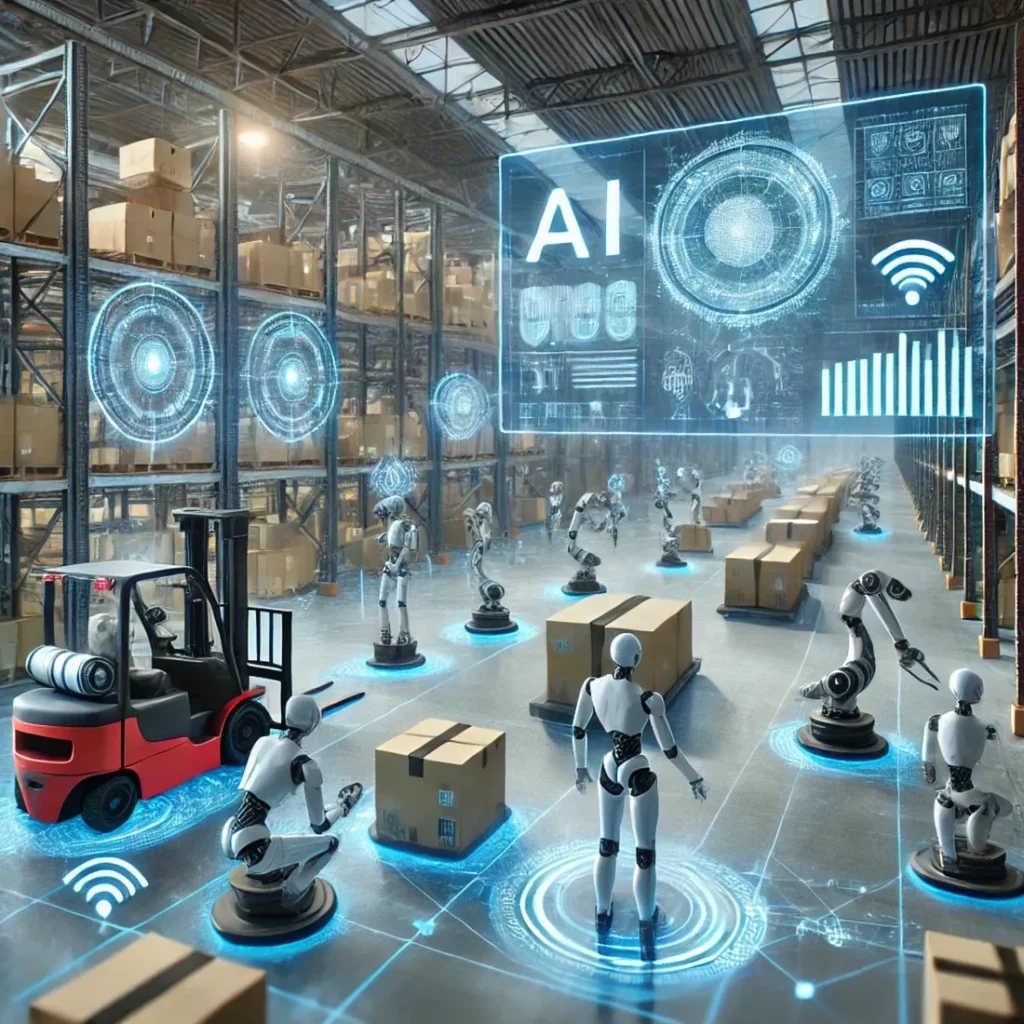
Artificial Intelligence refers to computer systems that can analyze data, identify patterns, learn from previous experiences, and make intelligent decisions with minimal human intervention.
In logistics, AI is used to:
* Predict future demand
* Optimize transportation routes
* Manage warehouse operations
* Track shipments in real time
* Automate repetitive tasks
* Improve inventory management
* Detect risks before they occur
Instead of reacting to problems after they happen, AI helps companies anticipate challenges and make proactive decisions.
Several global factors have accelerated AI adoption in logistics:
Customers now expect same day or next day delivery. AI helps companies manage millions of orders while maintaining speed and accuracy.
Fuel prices, labor shortages, and operational expenses continue to increase. AI identifies the most cost-effective transportation methods and delivery routes.
International trade involves multiple suppliers, warehouses, customs regulations, and transportation networks. AI simplifies these complex operations through intelligent planning.
Modern customers demand real-time tracking, faster deliveries, and accurate delivery estimates. AI makes these services possible.
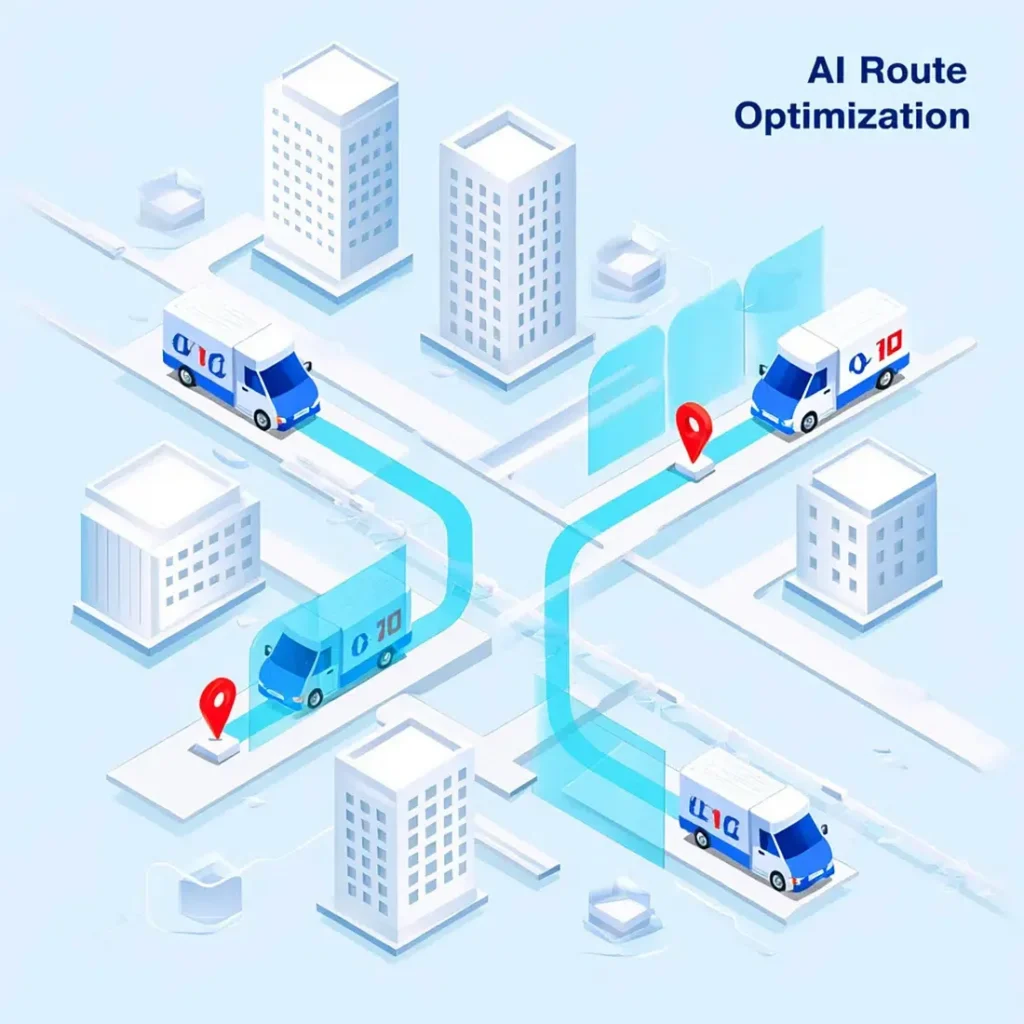
Traditional route planning depends on fixed maps and driver experience.
AI considers:
* Live traffic conditions
* Weather forecasts
* Road closures
* Fuel consumption
* Delivery priorities
The result is faster deliveries, lower fuel costs, and improved customer satisfaction.
One of the biggest challenges in logistics is predicting customer demand.
AI analyzes:
* Previous sales
* Seasonal trends
* Market behavior
* Customer purchasing patterns
* Economic conditions
This allows businesses to stock the right products at the right time, reducing waste and preventing shortages.
Modern warehouses are becoming increasingly intelligent.
AI-powered systems can:
* Organize inventory
* Guide warehouse robots
* Monitor stock levels
* Reduce picking errors
* Improve packing efficiency
These smart warehouses significantly increase productivity while minimizing operational costs.
Maintaining too much inventory increases storage costs, while insufficient inventory leads to lost sales.
AI continuously monitors inventory levels and recommends optimal stock quantities based on demand forecasts
AI-powered logistics systems provide:
* Live shipment tracking
* Estimated delivery times
* Delay predictions
* Automatic customer notifications
This improves transparency and customer trust.
Unexpected vehicle breakdowns cause delivery delays and financial losses.
AI monitors vehicle performance and predicts maintenance needs before failures occur.
Benefits include:
* Reduced downtime
* Lower repair costs
* Increased fleet reliability
* Improved safety
Organizations implementing AI experience several measurable advantages:
Routine tasks are automated, allowing employees to focus on strategic decision-making.
AI minimizes unnecessary transportation, inventory, and warehouse expenses.
Optimized route planning shortens delivery times.
AI analyzes vast amounts of data within seconds, helping managers make informed decisions.
Accurate deliveries, transparent tracking, and quicker response times enhance customer experience.
Despite its advantages, AI implementation also presents challenges.
Advanced AI systems require significant investment in software, infrastructure, and employee training.
Logistics companies handle large volumes of sensitive customer and business information, making cybersecurity a priority.
Employees need continuous training to work effectively alongside AI technologies.
AI systems rely on accurate, high-quality data. Poor data can lead to incorrect predictions and inefficient decisions.
The future of logistics extends beyond AI alone.
Companies are integrating AI with:
* Internet of Things (IoT)
* Blockchain
* Autonomous delivery vehicles
* Delivery drones
* Digital Twins
* Robotics
* Big Data Analytics
* Cloud Computing
Together, these technologies are building smarter, faster, and more resilient supply chains.
The rise of AI is creating new career paths rather than eliminating jobs.
Employers increasingly seek professionals with expertise in:
* Supply Chain Management
* Logistics Analytics
* Warehouse Operations
* Inventory Planning
* Transportation Management
* ERP Systems
* AI-powered Supply Chain Software
* Data Analysis
Graduates with knowledge of both logistics principles and digital technologies will enjoy stronger career prospects in the coming years.
For today’s students, understanding AI is no longer optional.
Future logistics professionals will be expected to:
* Interpret AI-generated reports
* Use intelligent warehouse systems
* Analyze logistics data
* Optimize supply chain operations
* Make technology-driven business decisions
Institutes that integrate AI concepts into logistics education prepare students for tomorrow’s workforce rather than yesterday’s industry.
As the logistics industry evolves, educational institutions play a crucial role in bridging the gap between academic learning and industry requirements.
A modern logistics curriculum should include:
* Supply Chain Management
* Warehouse Management
* International Logistics
* Inventory Control
* Transportation Management
* Digital Logistics
* AI Applications in Supply Chain
* ERP Software Training
* Industry Projects
* Internship Opportunities
Practical exposure combined with technology-focused education enables students to become industry-ready professionals.
Artificial Intelligence is fundamentally transforming logistics in 2026. It enables organizations to operate more efficiently, reduce costs, improve customer experiences, and make smarter business decisions. While AI automates repetitive processes, it also creates demand for skilled professionals who can manage intelligent logistics systems.
For students considering a career in logistics and supply chain management, now is the ideal time to develop expertise in both traditional logistics practices and emerging digital technologies. Institutions that provide industry-oriented education, practical training, and exposure to AI-powered logistics systems are preparing graduates for one of the world’s fastest-growing industries.
The future of logistics is not about humans versus AI — it is about professionals who know how to work alongside intelligent technologies to build faster, smarter, and more sustainable supply chains.
At Mithra Logistics Institute, students gain practical knowledge, industry-relevant skills, and exposure to the latest trends shaping global logistics. Start your journey toward a future-ready career today.
The best logistics course in Kerala is one that combines practical training, industry-relevant skills, and placement assistance. At Mithra Institute, our Logistics & Supply Chain Management courses cover warehousing, inventory control, shipping, freight forwarding, procurement, transportation management, and supply chain planning. With diploma, PG diploma, and advanced programs available, students gain the knowledge needed for successful careers in logistics and supply chain management in India and abroad.
Yes, Mithra Institute offers logistics and supply chain management courses in Ernakulam and Thiruvananthapuram, making it convenient for students across Kerala to access quality training and career support.
Yes, Mithra Institute provides dedicated placement support for students completing our logistics courses in Kerala. We help students with resume preparation, interview training, communication skills, and job updates from leading logistics, transportation, warehouse, shipping, and supply chain companies. Our goal is to make every student job-ready and connect them with career opportunities in the growing logistics industry.
After completing a logistics course, students can apply for roles such as Logistics Executive, Supply Chain Coordinator, Warehouse Supervisor, Procurement Executive, Shipping Coordinator, Freight Forwarding Executive, Inventory Controller, Operations Assistant, and Transport Manager. With experience, graduates can grow into senior positions in logistics management, supply chain management, warehouse operations, and international shipping companies.
A career in logistics and supply chain management offers strong job demand, career growth, and opportunities in India and abroad. Businesses need skilled professionals to manage warehousing, inventory control, procurement, transportation, shipping, and supply chain operations efficiently. With the growth of e-commerce and global trade, trained logistics professionals are in high demand across multiple industries.
Mithra Institute is known for industry-focused logistics courses in Kerala with campuses in Ernakulam and Thiruvananthapuram. Students benefit from practical training, experienced faculty, placement assistance, and programs such as Professional Diploma, PG Diploma, BBA, and MBA in Logistics & Supply Chain Management.
Students learn key skills such as warehouse management, inventory control, procurement, freight forwarding, shipping documentation, transportation planning, supply chain optimization, problem solving, communication, and business operations. These skills help students become job-ready for logistics and supply chain careers.
Yes, logistics courses are an excellent choice for freshers because they provide practical industry knowledge and direct pathways to entry-level jobs. Freshers can begin careers as Logistics Executive, Warehouse Assistant, Supply Chain Coordinator, Shipping Assistant, and Operations Executive after completing the course.
State Administrative Office
Maheshwari Building, 1st Floor
Opp. Post office, Kazhakuttom – 695582 TVM, Kerala
+91 9656242222
+91 9656271222
info@mimscareer.com
Other Branches
© 2024 MIMS All rights reserved.